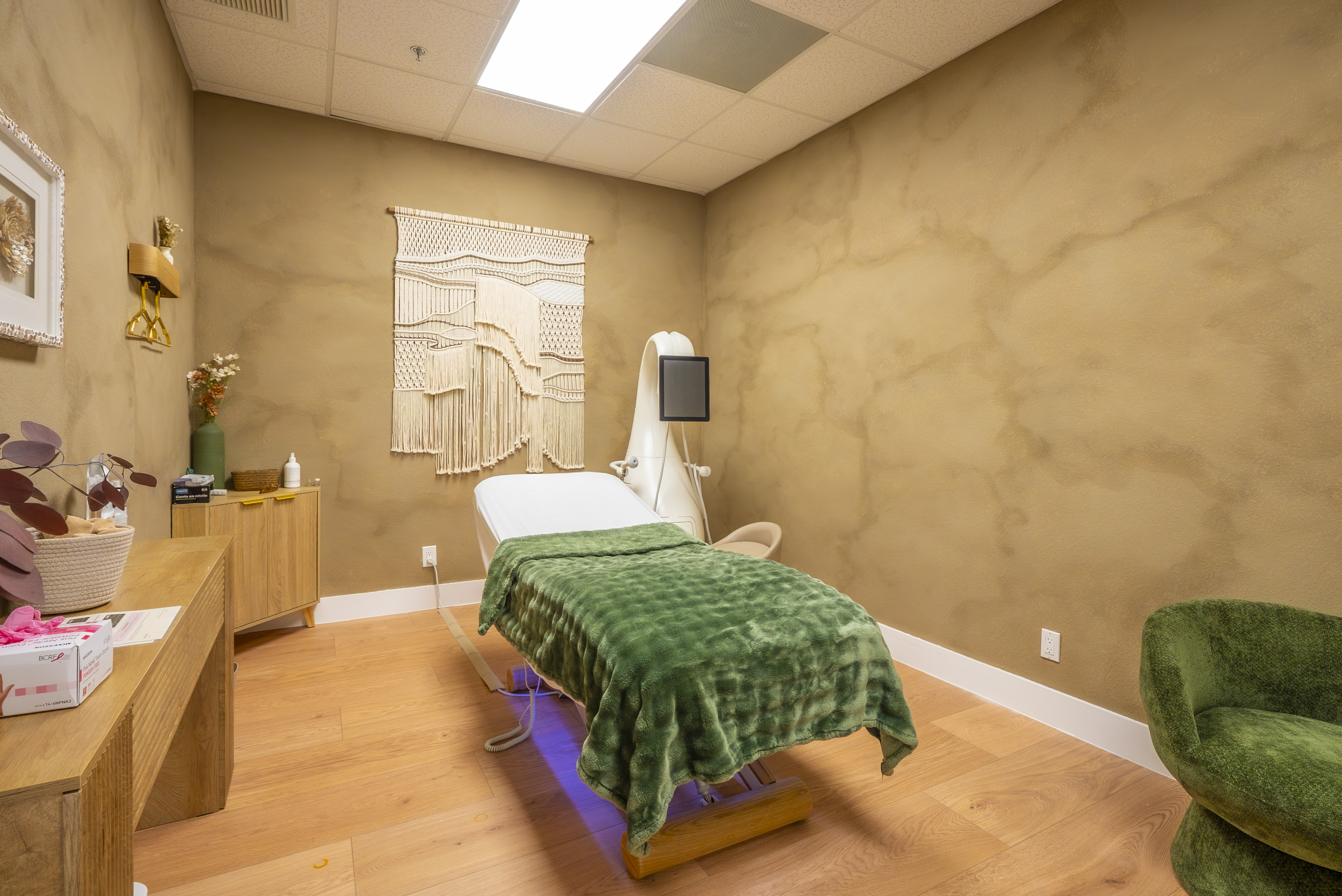
T-Shape Body Contouring in Palm Beach Gardens: What to Expect
Body contouring occupies a tricky corner of the aesthetics world: real technology, real results for some people, and an internet full of before-and-after photos that promise far more than any device delivers. RINOVA Longevity approaches its T-Shape contouring service consultation-first for exactly that reason. The current introductory session runs for about sixty minutes, and before it happens, the useful work is setting realistic expectations. This guide walks through what non-invasive contouring is and what a session feels like.
What non-invasive contouring can and cannot do
Non-invasive body contouring is a category of device-based aesthetic treatments that work on selected areas without surgery, using approaches such as heat, cooling, ultrasound, or radiofrequency depending on the device. The FDA publishes a plain-language overview of non-invasive body contouring technologies.
The honest boundaries: contouring is not weight loss, does not replace nutrition, training, or medical weight management, and produces gradual, modest, area-specific changes when it works. Individual response varies, and no reputable provider guarantees a specific outcome.
How the technology categories differ
It helps to know the landscape before discussing any single device. Non-invasive contouring systems generally work through one of a few mechanisms: controlled cooling of fat tissue, heating through radiofrequency or ultrasound, or electromagnetic stimulation of muscle. Each category has its own sensation profile, session structure, and evidence base, and devices within a category still differ from one another. You do not need to become a device engineer to be a good consumer here.
The consultation sets the plan
A T-Shape plan at RINOVA begins with a suitability review rather than a booking calendar. Expect to talk through the specific area that bothers you, what a meaningful change would look like to you, your health history, and whether the treatment fits at all. Disclose pregnancy or plans to become pregnant, recent procedures, skin conditions in the treatment area, implanted devices, and current medications.
What a session feels like
Device-based contouring typically involves a handpiece moving across the treatment area. Depending on settings, guests describe warmth, suction, or a firm massage-like sensation. It should be tolerable throughout, and you should say so the moment it is not, because comfort feedback is part of how the operator adjusts the session. Stronger settings are not a shortcut to better results, and a session you dread repeating defeats the purpose of a treatment that depends on showing up for a series. Most guests return to normal activity immediately afterward; ask what temporary redness or tenderness is expected for your specific treatment area so nothing surprises you at the mirror that evening.
Tracking progress
Bodies fluctuate daily with hydration, food, hormones, and posture, and mirrors are unreliable narrators. If you commit to a series, commit to honest measurement at the same time: photographs in the same lighting, same position, same distance, and same clothing, plus any measurements taken the same way each time. Then review at planned checkpoints, not after every glance. Agree at the start what checkpoint you will use and what result would justify continuing. This protects you in both directions, from quitting on a treatment that is quietly working and from continuing one that is not.
Questions worth asking before a series
How many sessions are recommended, and why that number? What does each session cost, and what is the total? When is the review point? What happens if there is no visible change by then? What aftercare applies, and should workouts, sun exposure, or other treatments be timed around sessions? Clear answers to boring questions are a better signal of a trustworthy aesthetics provider than any transformation photo. Write the answers down during the consultation.
Pairings with a purpose
Some plans pair Body Contouring with Lymphatic Drainage sessions, and some guests add Red Light Therapy for its own reasons.
Starting in Palm Beach Gardens
Use the first-visit request to claim the current new-client offer: one 60-minute T-Shape session for $179, a $350 value, plus a complimentary infrared sauna session valued at $50, for $400 in stated value. A $29 reservation deposit is applied to the $179 total after the team confirms your visit. Bring questions and skepticism; both are welcome. The team will review the treatment area and suitability before proceeding, and deciding not to move forward is always acceptable.
Clinical note
This article is for educational purposes only and is not medical advice. RINOVA's clinical team can help you decide whether a treatment is appropriate for your goals, health history, and care plan.