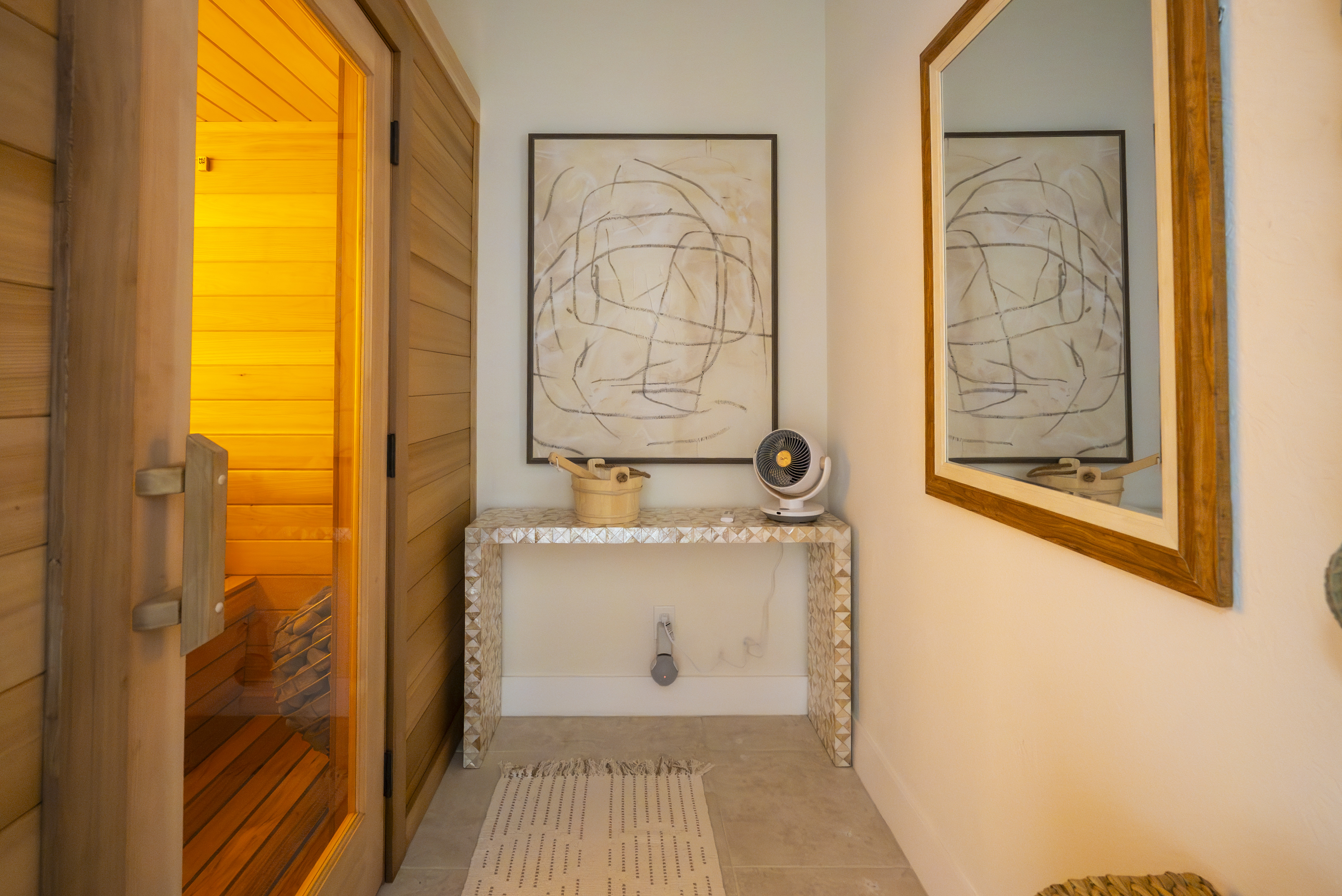
Finnish Sauna in Palm Beach Gardens: Heat, Hydration, and Comfort
Of everything on the RINOVA Longevity menu, the Finnish sauna asks the least explanation and the most patience. You sit in a hot room, you sweat, and you leave slower than you arrived, in the best sense. A visit runs thirty to forty-five minutes including cool-down time, and the skill involved is not endurance but judgment: knowing how to prepare, when to step out, and how to fold heat into a week that already includes plenty of South Florida sun.
A tradition built on repetition, not intensity
The Finnish approach to sauna is centuries old, and its defining feature is rhythm: moderate rounds of heat, breaks to cool down, and a return to the bench, repeated regularly over years. Modern interest in sauna often cites long-running observational research from Finland on regular use, and it is fair to say the practice is being studied seriously. It is also fair to say that observational findings do not promise any particular result for any particular person. The honest case for sauna is simpler: it is a reliable way to be warm, quiet, and offline for half an hour, and many people find that alone worth scheduling.
Your first session at RINOVA
The team starts by walking you through the room, the timing, and how to leave whenever you want, which matters more than it sounds. Heat builds gradually. Expect flushed skin, steady sweating, and a strong sense of warmth within the first several minutes. There is no target time to complete and no benefit to gritting through discomfort. Lightheadedness, nausea, a racing or irregular heartbeat, or simply feeling wrong are all signals to step out, cool down, and tell the team. A good first session ends with you thinking you could have stayed longer.
What to bring, and what to leave outside
The packing list is short: a water bottle for afterward, a towel to sit on as instructed, and clothing or swimwear per the guidance you receive at booking. Leave the phone outside. Heat is unkind to electronics, and the point of the room is partly that nothing in it needs charging. Time the visit so you are not arriving straight off a heavy meal or a hard outdoor workout. The cool-down is not an exit hallway, it is half the experience, and rushing from bench to car through a July parking lot undoes the calm you just sat still for.
Hydration in a place that is already hot
Sauna guidance written for cold climates needs adjusting here. In Palm Beach Gardens, you may arrive having already spent a morning on a golf course or a job site in ninety-degree heat, which means your fluid situation before the sauna is part of the session math. Arrive hydrated, drink water afterward, and think about the whole day: a hard outdoor afternoon plus an evening sauna is a bigger combined heat load than either alone. Skip alcohol before and immediately after a session entirely. If you want a plain-language reference on how heat stresses the body and the warning signs that matter, MedlinePlus maintains a useful overview of heat illness. A reasonable habit is watching your water bottle rather than your intuition: fill it before the session, finish it after, and let thirst guide anything beyond that.
Who should be careful with heat
Talk with a clinician before regular sauna use if you have a heart condition, low or unstable blood pressure, a history of fainting, or a recent illness, or if you are pregnant or take medications that affect blood pressure, heart rate, or fluid balance. The RINOVA team asks about these things at a first visit to help make sure you have a pleasant and safe session.
Finnish heat and infrared are not the same room
The two terms get blended online, but a traditional Finnish-style sauna heats the air around you to a high temperature, while infrared systems warm the body more directly at lower air temperatures. The experiences differ, and advice written for one does not map cleanly onto the other. When you read a claim about sauna, it is worth asking which kind of room the claim came from, and when you book, it is worth asking what the room you are booking actually is. The team can tell you exactly what the Finnish Sauna suite uses and how the session is paced.
Building a rhythm without chasing extremes
Start with one comfortable session a week and hold it there for a month before adding anything. Some guests eventually pair heat with a brief cold finish through Cryotherapy, a contrast many find enjoyable, while others follow the sauna with a quiet PEMF Therapy rest. Neither upgrade is required. If you train, experiment with which order suits you, heat after a workout or on rest days entirely, and keep loose notes for a few weeks; your own pattern will surface faster than any generic advice can predict it.
Booking a visit
Use the first-visit request to ask about session length, pacing, and anything on the health list above. If the sauna becomes your standing appointment, compare membership options once you have a month of real attendance to look at.
Before you rely on this guide
This article is for educational purposes only and is not medical advice. RINOVA's clinical team can help you decide whether a treatment is appropriate for your goals, health history, and care plan.